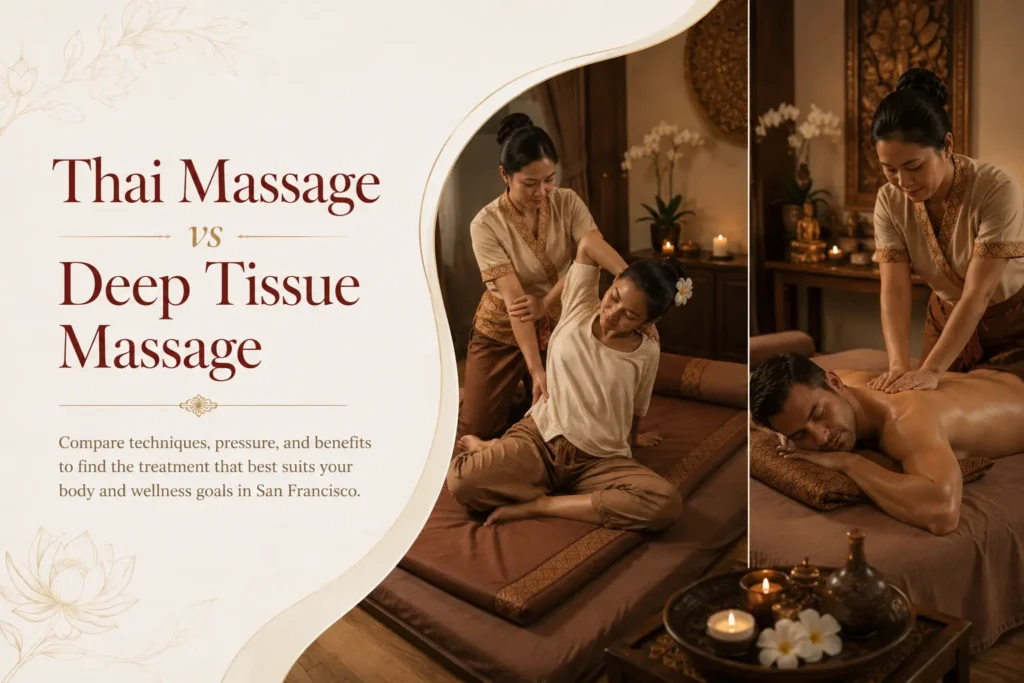
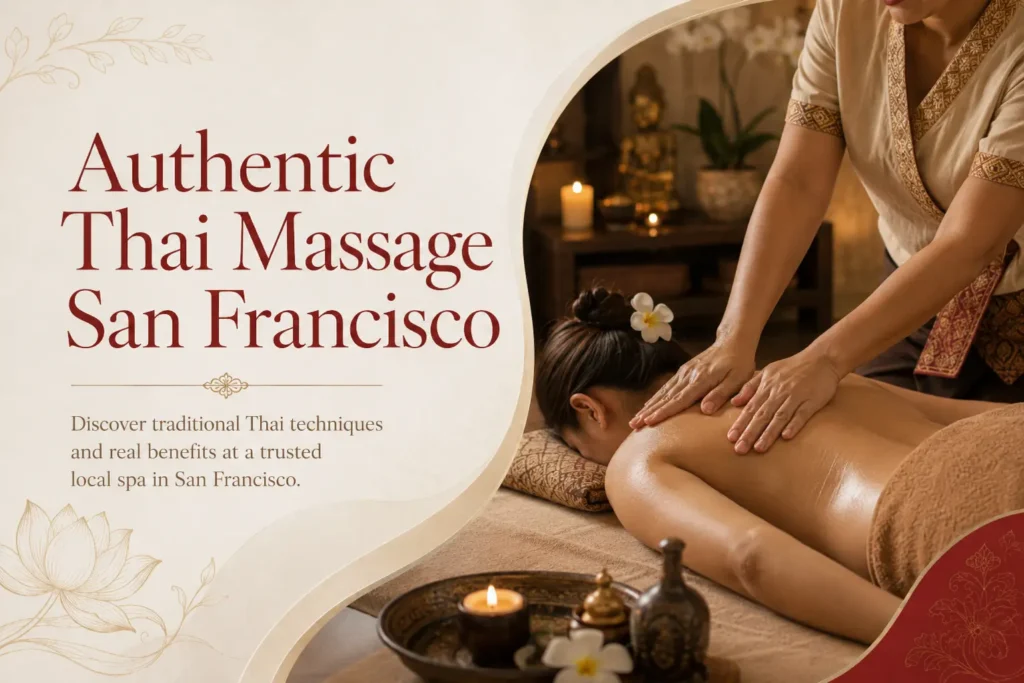
Looking for authentic Thai massage in San Francisco, you’ll notice the term gets used loosely — some spas simply mean any massage performed by a Thai-trained therapist, while others use it to describe a full traditional practice rooted in centuries-old technique. Understanding the difference matters, especially if you’re choosing a treatment based on how it’s supposed to feel and what results you’re hoping for. This guide breaks down what authentic Thai massage actually involves, how it compares to other popular styles, and what to expect when you book a session in San Francisco.
What Is Traditional Thai Massage?
Traditional Thai massage, sometimes called Nuad Thai, is a bodywork practice that blends rhythmic pressure, assisted stretching, and acupressure along the body’s energy lines. Unlike oil-based massages, it’s typically performed with the client fully clothed on a floor mat or firm table, and the therapist uses hands, forearms, knees, and even feet to guide the body through a sequence of movements. The goal isn’t just relaxation — it’s improved flexibility, better circulation, and a sense of physical balance that lingers well after the session ends.
The History Behind Thai Massage
The practice traces back thousands of years and draws on a mix of Ayurvedic principles, acupressure, and yoga-based stretching, shaped by centuries of exchange between Thai, Indian, and Chinese healing traditions. Its significance is recognized well beyond Thailand too — in 2019, UNESCO added traditional Thai massage to its list of Intangible Cultural Heritage, acknowledging it as a living practice passed down through generations rather than a modern spa trend. You can read more about its documented origins on Wikipedia’s overview of traditional Thai massage.
Key Techniques Used in Authentic Sessions
An authentic session typically includes a sequence of compressions along major muscle lines, guided stretches similar to passive yoga postures, and joint mobilization to loosen tight areas. No oils or lotions are used, and the pace is usually slower and more deliberate than a typical Swedish massage. At Palms Thai Massage, our traditional Thai massage service follows this same structure, with therapists adjusting the sequence and pressure based on each client’s flexibility and comfort level.
How Authentic Thai Massage Differs from Other Styles
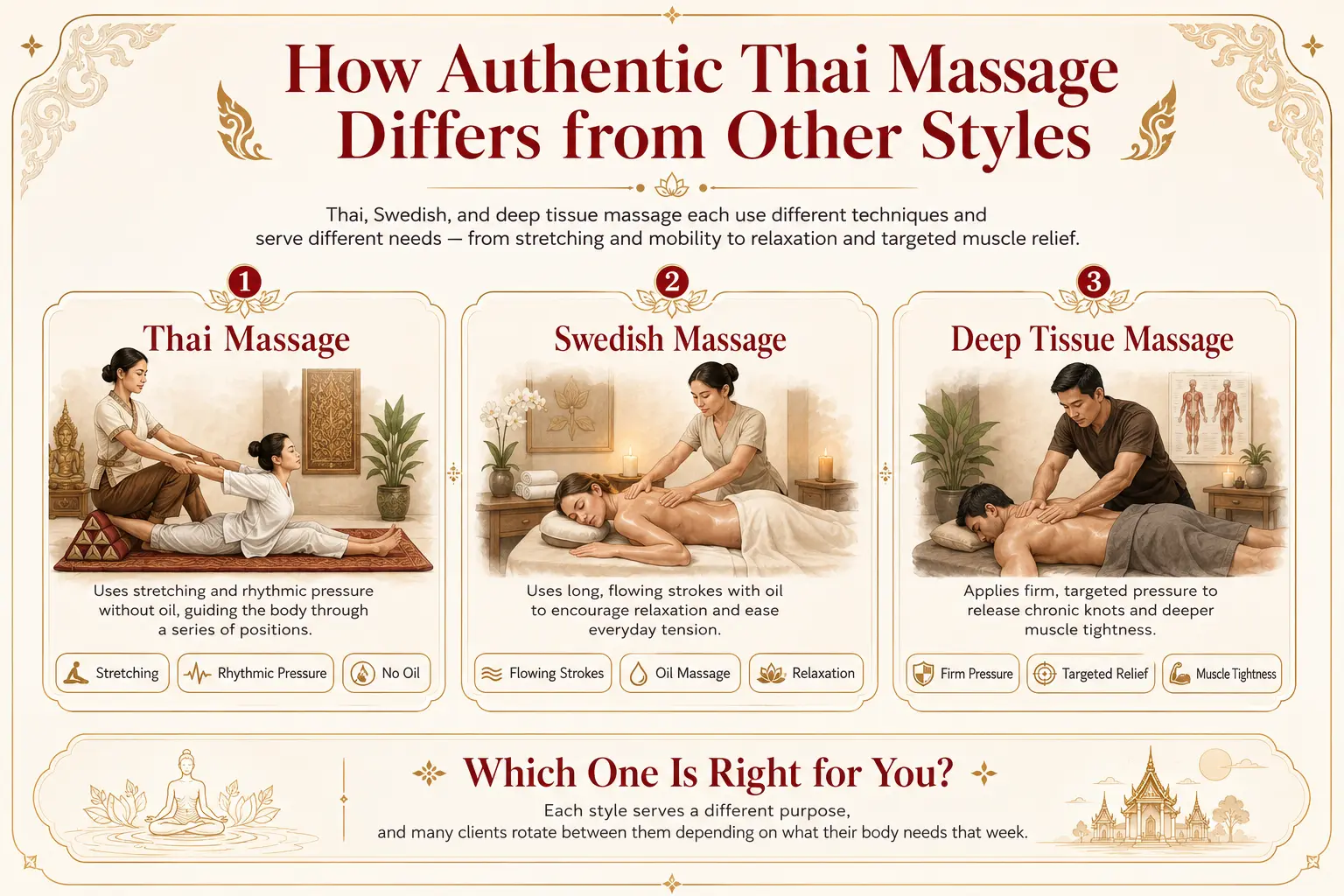
It’s easy to lump all massage styles together, but Thai massage stands apart in a few clear ways:
- Thai massage relies on stretching and rhythmic pressure without oil, moving the body through a series of positions.
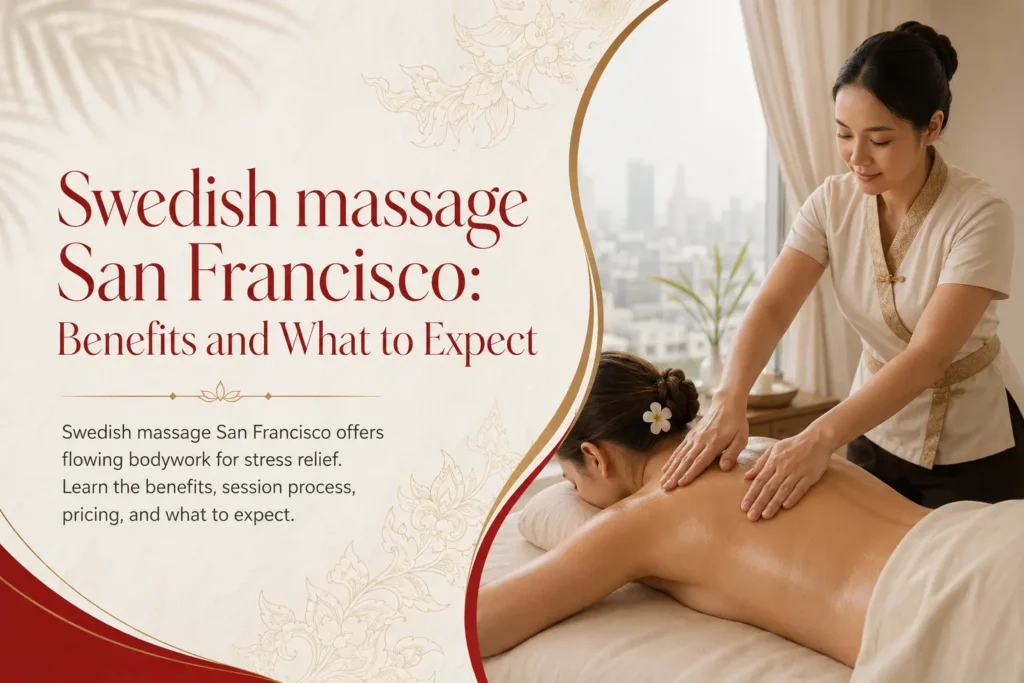
- Swedish massage uses long, flowing strokes with oil to promote relaxation and ease everyday tension.
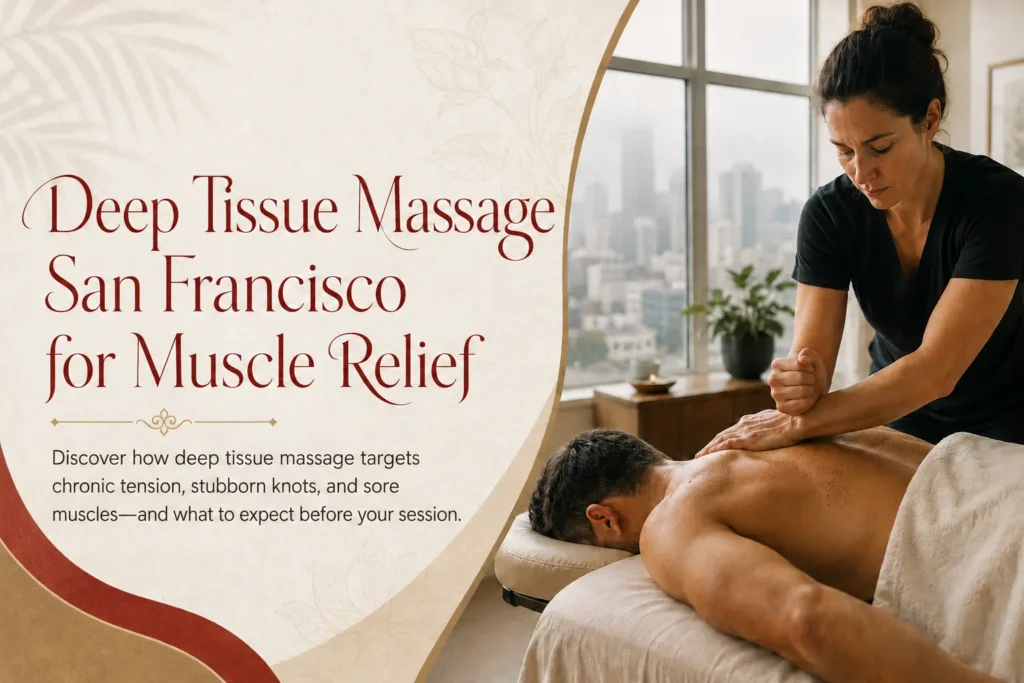
- Deep tissue massage applies firm, targeted pressure to release chronic knots and deeper muscle tightness.
Each style serves a different purpose, and many clients rotate between them depending on what their body needs that week.
Is Thai Massage More Intense Than Swedish Massage?
Generally, yes — Thai massage tends to feel more physically active because of the stretching and assisted movement involved, whereas Swedish massage is passive and purely relaxation-focused. That said, pressure and intensity in a Thai session can always be adjusted, so it doesn’t have to feel intense if that’s not what you’re looking for. If you’re deciding between the two, our Swedish massage and Thai massage pages outline what each session actually involves so you can pick based on how you want to feel afterward.
Benefits of Authentic Thai Massage
Beyond the immediate relaxation, regular sessions are associated with a number of physical and mental benefits:
- Reduced muscle tightness in the neck, back, and shoulders
- Improved flexibility and range of motion
- Better circulation throughout the body
- Lower stress and mental fatigue
- A general sense of physical and mental balance
These benefits align with what broader massage research has found as well — organizations like the Mayo Clinic Health System note that massage therapy can meaningfully support stress reduction and muscle recovery as part of a regular wellness routine.
Who Should Try Thai Massage?
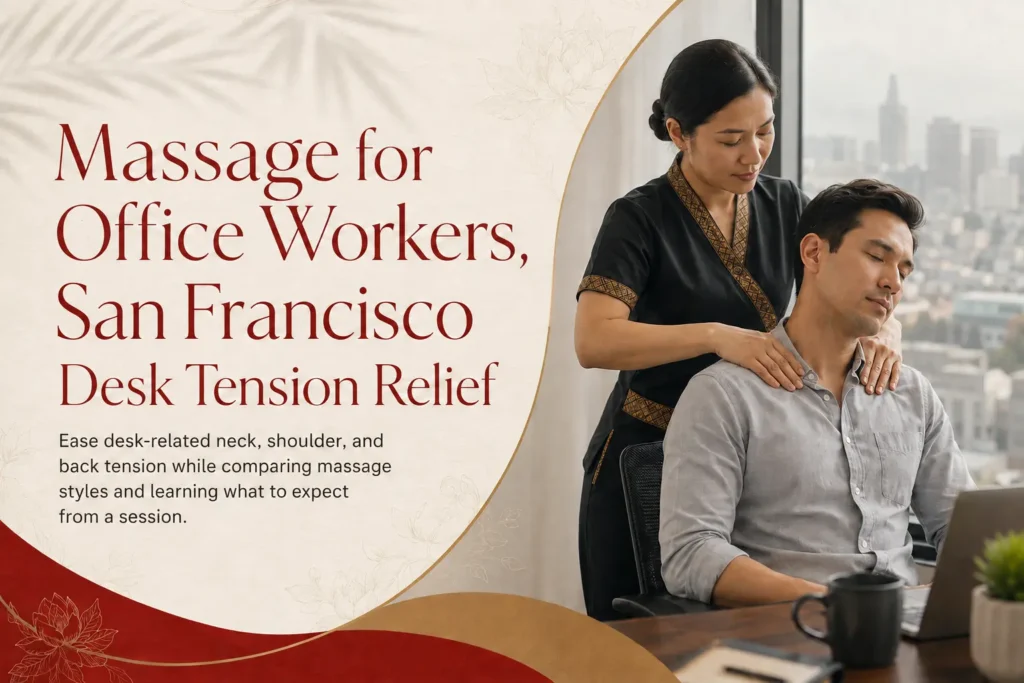
Thai massage tends to suit people who sit for long hours at a desk, anyone dealing with recurring neck and shoulder tightness, and those who want a more active, stretch-based session rather than pure relaxation. If tension in that area is a recurring issue, a neck and shoulder massage built around targeted pressure can be a more direct fit before moving into a full-body Thai session.
What to Expect During Your First Session
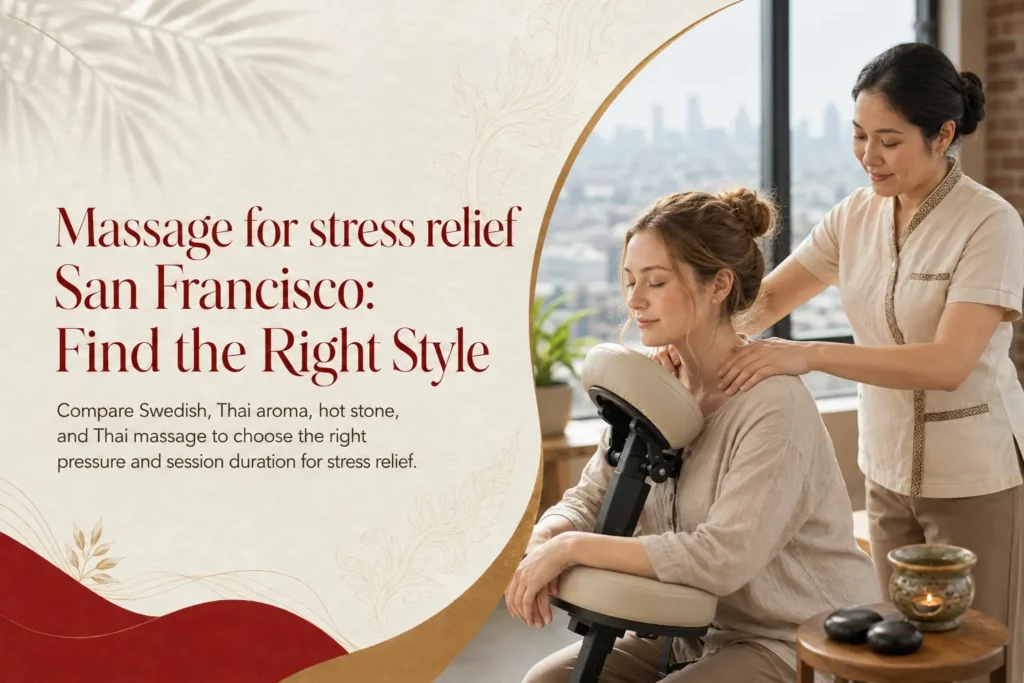
Walking into a Thai massage for the first time can feel a little different from a typical spa visit. You’ll usually be given loose, comfortable clothing to change into, and the session takes place on a padded mat or firm table rather than a massage bed. Your therapist will ask about problem areas, injuries, and how much pressure you’re comfortable with before starting, and sessions generally run 60 to 120 minutes depending on what you book.
How to Choose the Right Pressure Level
There’s no need to guess — a good therapist will check in throughout the session and adjust as needed. If you’ve never had Thai massage before, it’s worth starting with a shorter session at moderate pressure to see how your body responds. Many spas, including Palms Thai Massage, also offer a first-time special so new clients can try a session without committing to a longer, higher-priced package right away.
Where to Find Authentic Thai Massage in San Francisco
When you’re looking for the real thing rather than a generic spa massage labeled “Thai,” a few signs help separate authentic providers from the rest: therapists trained specifically in traditional Thai techniques, a calm and unhurried environment, and a clear range of services rather than a single one-size-fits-all treatment. It’s also worth checking how a studio talks about its own background and approach — you can read more about our therapists and philosophy on our About Us page, and see how past clients describe their experience through our testimonials.
Frequently Asked Questions
Is authentic Thai massage painful?
Not necessarily. Pressure is fully adjustable, and a good therapist will check in throughout the session rather than pushing through discomfort.
How long does a Thai massage session last?
Most sessions run between 60 and 120 minutes, depending on how much of the body you’d like covered and how deep you want the session to go.
Do I need to remove my clothes for Thai massage?
No. Thai massage is traditionally done in loose, comfortable clothing, unlike oil-based massages that require you to undress.
Is Thai massage suitable for beginners?
Yes. Pressure and pacing can be adjusted for first-time clients, and it’s common to start with a shorter session to get a feel for the technique.
Conclusion
Authentic Thai massage isn’t just a label — it’s a distinct practice built on stretching, rhythmic pressure, and centuries of tradition, and it can offer a different kind of relief than a typical relaxation massage. Whether you’re dealing with recurring tension or simply want to try something new, it’s worth experiencing the real technique rather than a diluted version of it. If you’d like to treat someone else to the experience, a Palms Thai Massage gift voucher makes it easy, or you can book your own session today and feel the difference for yourself.